Register
Worth Ave. Group - Providing peace of mind to consumers for over 50 years.

How Long Should a Smartphone Last?
Posted:
May 27, 2026
Categories:
General


How Long Should a Smartphone Last?
Smartphones are designed to handle years of everyday use, but no device lasts forever. Over time, batteries wear down, software becomes outdated, and physical damage can start affecting performance. So, how long does a smartphone actually last before you should replace it?
For some people, a phone starts feeling old after just a couple of years. For others, the same device continues working well for much longer. The lifespan of a smartphone depends on several factors, including the device's quality, software support, battery health, and maintenance over time.
The Average Lifespan of a Smartphone
Most modern smartphones last between 2 and 5 years. High-end devices often stay reliable longer because they receive more software updates and are built with better materials.
Here’s what you can usually expect:
- Budget smartphones: Around 2–3 years
- Mid-range smartphones: Around 3–4 years
- Premium smartphones: Around 4–5 years or more
That doesn’t necessarily mean the phone stops working after that point. It simply means you may start noticing performance issues, battery problems, or outdated software.
X

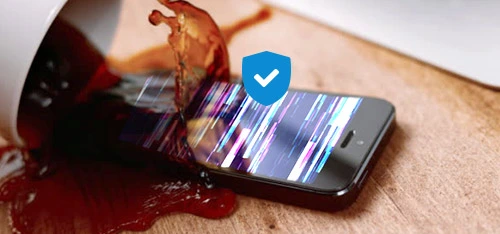

Drops or Spills? We've got your phone covered! - $8/mo
Smartphone Insurance - Confident Protection
Unlimited Claims for Unexpected Accidents.
Unlimited Claims for Unexpected Accidents.
What Affects a Smartphone’s Lifespan?

Several factors can affect how long a smartphone lasts. One of the biggest is battery health, since all phone batteries naturally wear down over time and lose their ability to hold a charge. Excessive heat can also damage smartphone batteries and internal components over time.
Physical damage is another common reason phones don’t last as long as they should – and it often forces people to replace their devices earlier than expected. Ignoring problems like a cracked screen or a loose charging port can significantly shorten a phone’s lifespan.
Software support also plays an important role. Even if your phone still works physically, outdated software can become a problem. Manufacturers eventually stop providing security updates, operating system upgrades, and compatibility support for newer apps. Once updates stop, your phone may become slower, less secure, and unable to run certain applications properly.
On top of that, everyday usage habits, storage limits, poor charging practices, and the device's overall build quality all influence how well a smartphone performs and lasts over the years.
Do iPhones Last Longer Than Android Phones?

iPhones are known for lasting longer than many smartphones on the market. Thanks to regular software updates, strong build quality, and reliable performance, many users keep their iPhones for 4 to 6 years or more. However, the lifespan of an Android phone depends heavily on the brand and model. Premium Android devices from companies like Samsung and Google can also last several years and now receive longer software support than they used to.
Signs It Might Be Time for a New Phone

Not every issue requires an immediate upgrade. But there are a few signs your smartphone may be reaching the end of its practical lifespan:
- Your battery barely lasts: If your phone constantly needs charging and a battery replacement isn’t worth the cost, it may be time to move on.
- Apps run slowly: Older hardware can struggle to keep up with newer apps and updates.
- You’ve run out of storage: If deleting photos and apps still doesn’t free up enough space, your device may no longer meet your needs.
- It no longer gets security updates: This can leave your personal data more vulnerable over time.
- Repairs cost more than the phone is worth: At a certain point, investing in multiple repairs may not make financial sense.
If you’re experiencing one or more of these issues at the same time, it’s usually a clear sign that your smartphone is no longer meeting your everyday needs, and you may need to replace it.
FAQs
There’s no single rule for when you should replace your smartphone. Some people upgrade every two years, while others keep the same device for five years or longer. In general, you should consider replacing your phone when performance issues start affecting your daily use.
In many cases, yes. Since battery wear is one of the main reasons smartphones start feeling old, replacing the battery can improve battery life, performance, and overall reliability. If your phone still works well otherwise, a battery replacement may help you keep your device for several more years instead of upgrading immediately.
Many modern smartphones can last 5 years or more, especially premium models. Devices that receive long-term software updates and regular security patches tend to remain usable longer. It’s worth mentioning that both Apple (iPhones) and premium Android makers like Samsung (Galaxy Ultra series) offer up to 7 years of software and security updates.
Proper care can help a smartphone stay in good condition for years. Learn more about how to extend the lifespan of your smartphone.
Protect your Smartphone from Everyday Accidents!
A small accident, like dropping your phone or cracking its screen, can quickly turn into an expensive repair or an unwanted upgrade. Instead of worrying about unexpected costs, it’s worth thinking ahead about how to protect your device.
Phone insurance can help cover cracked screens, accidental drops, spills, and other common issues that can shorten your phone’s lifespan. It’s a simple way to stay protected and avoid paying out of pocket when something goes wrong.
Get a free iPhone Insurance or Cell Phone Insurance quote and protect your phone today!