Register
Worth Ave. Group - Providing peace of mind to consumers for over 50 years.

What is a VPN and Why Would You Need It
Posted:
September 13, 2023
Categories:
General
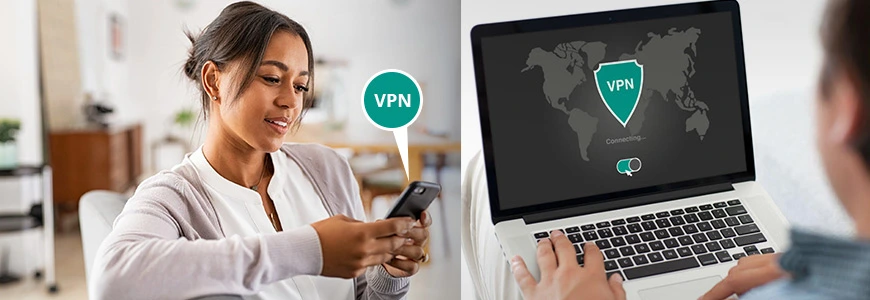 We use the internet for so many things today that keeping our online life safe and private is more important than ever. You’ve probably heard the term VPN tossed around in conversations about online security, but what exactly is it, and why would you need it? Let’s explore what a VPN is, how it works, and why you may consider using one.
 What is a VPN?
 What is a VPN?
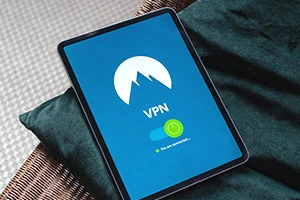
A VPN, or virtual private network, is a service that establishes a secure and private connection between your device (computer, smartphone, or tablet) and the internet. In essence, it routes your internet traffic through a remote server, effectively masking your IP address, and encrypting your data. In this way, it hides your browsing history, identity, and location. Think of it as a protective tunnel that runs through the vast maze of the internet, shielding you from potential threats, safeguarding your data, and ensuring your online activities remain private.
How does a VPN work?
The inner workings of a VPN may sound complex, but the concept is relatively simple. Here’s how it works:
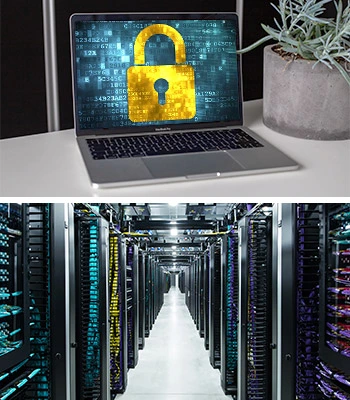
- Data encryption: A VPN encrypts your data before it leaves your device. This means that even if someone intercepts it, they won’t be able to decipher the information without the encryption key.
- Tunneling: A VPN establishes a secure tunnel between your device and a server operated by the VPN provider. This tunnel prevents anyone, including hackers or your Internet Service Provider (ISP), from snooping on your internet traffic.
- IP address masking: A VPN masks your original IP address, i.e., it replaces it with the IP address of a VPN server, which can be located in various parts of the world. This can help you stay anonymous online.
- Choosing server location: A VPN lets you change your virtual location by connecting to servers in different countries. This is particularly useful for accessing region-restricted content.
Why do you need a VPN?
Now that you have a basic understanding of what a VPN is, here are some situations where it can be useful:
Public Wi-Fi Networks
 Public Wi-Fi Networks
Public Wi-Fi networks, such as those in coffee shops and airports, may be convenient but often come with security risks. These networks are prime targets for cybercriminals and hackers looking to intercept sensitive data. When you use a VPN on public Wi-Fi, it keeps you safe from potential cyber threats like hacking or data theft.
Region-Restricted Content
Some streaming services and websites restrict their content based on geographic location. When you are abroad and encounter messages like "This content is not available in your region" or find that the library of your favorite streaming service is quite different from what you’re used to back home, a VPN can help you bypass these geo-restrictions. By connecting to a server located in your home country, you can access websites and streaming services that may be blocked or limited in the region where you are.
Remote Work
If you work remotely and need to access sensitive work-related data or conduct confidential business transactions, a VPN can provide a secure way to connect to your company’s network. It enables a safe passage for your work data to travel through, protecting corporate information from potential data breaches.
Online Shopping and Banking
 Online Shopping and Banking
When you shop or do your banking online, you share sensitive information like credit card details and login credentials. Using a VPN can add an extra layer of protection for your financial activities, making it much harder for cybercriminals to steal your data.
ISP and Third-Party Tracking
Internet Service Providers often track their users’ online activities for various purposes, including targeted advertising. By masking your real IP address, a VPN enables you to surf the web anonymously, making it nearly impossible for websites, advertisers, and even your IPS to track your online behavior or location, collect data, or bombard you with targeted ads.
Online Gaming
 Online Gaming
A VPN can be beneficial for gamers too. It can reduce lag and ping while playing online, protect you from Distributed Denial of Service (DDoS) attacks, and provide a more stable gaming connection with no bandwidth throttling. Additionally, it enables you to access game servers from different regions, giving you more gaming options.
What are the best VPN services?
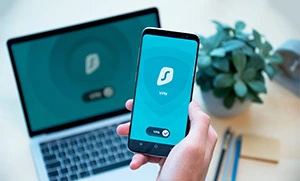 What are the best VPN services?
Be sure to choose a reputable VPN provider that prioritizes security and privacy to fully enjoy the benefits of this tool. When selecting a VPN service, consider factors like security, network speed, server locations, no-log policy, compatibility, and pricing. Here are some of the top-ranked VPN services you can check out:
- ExpressVPN: Known for its strong security features and no-log policy, it boasts high-speed servers in over 90 countries, with some specialized for various purposes, like streaming or gaming.
- NordVPN: Renowned for its robust security, including Double VPN for added protection, it has an extensive server network and provides excellent speed and reliability.
- Surfshark: This VPN offers great value for the money, unlimited simultaneous connections, and a range of security features, including a CleanWeb for blocking ads and malware.



Are VPNs legal to use?
 Are VPNs legal to use?
Yes, using a VPN for legitimate purposes is legal in most parts of the world, including the US, Canada, and almost all of Europe. A few countries, though, usually those with strict internet censorship, like North Korea, Belarus, China, and Russia, ban or restrict VPN usage. If you want to use a VPN out of the US, It’s a good idea to check the regulations in the specific country so you don’t get into any legal trouble. However, no matter the country you’re in, engaging in illegal activities, such as cybercrime, hacking, or copyright infringement, while using a VPN is unlawful and does not exempt you from legal consequences.
 While trying to protect your data and privacy online, don’t forget that your devices need protection, too. Imagine the frustration of a cracked phone screen, a laptop damaged by an accidental spill, or a tablet crushed in your bag. These unexpected incidents can disrupt your everyday activities and drain your wallet. But don’t wait for a mishap to happen – get a free quote and protect your phone, laptop, or tablet before it’s too late!